
Bladder ultrasound is a non-invasive imaging test that allows a detailed assessment of the bladder, including its structure and function. It is a quick, painless and safe procedure, commonly used to investigate urinary symptoms and to monitor urological conditions.
Because it does not use radiation, it can be performed in patients of all ages, including pregnant women and children.
What is a Bladder Ultrasound and what is it for?
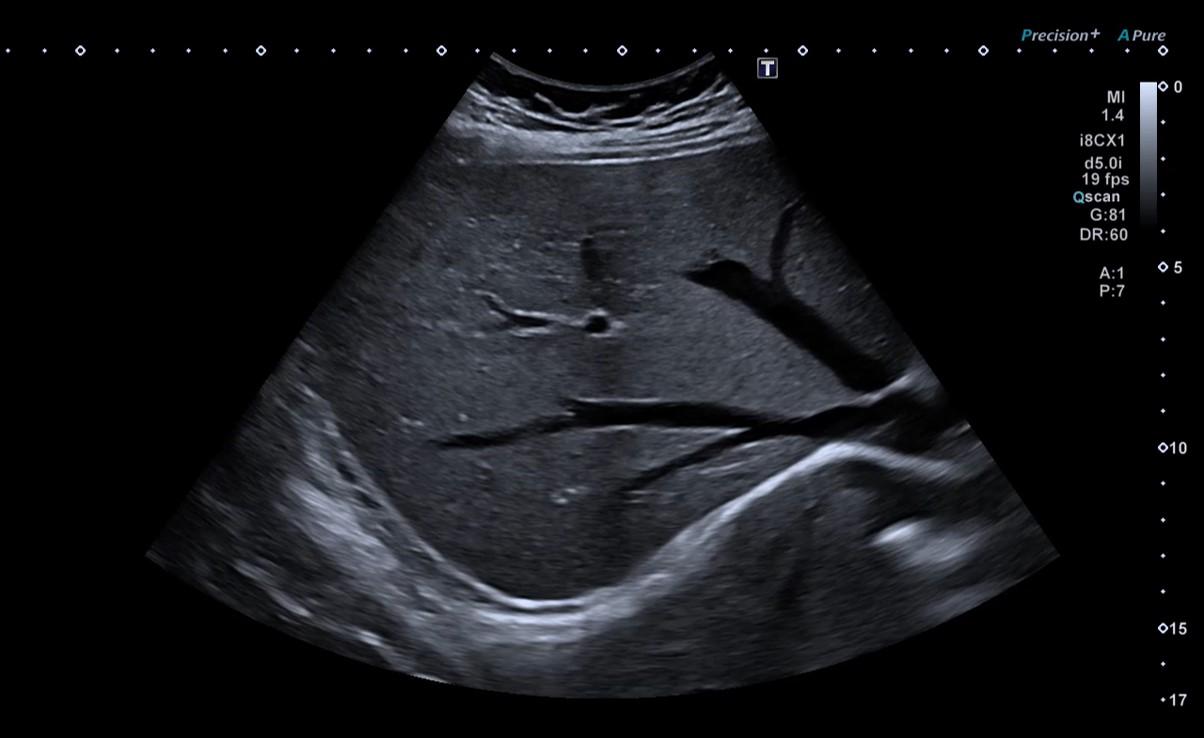
Bladder ultrasound uses high-frequency sound waves to create real-time images of the bladder. These waves are emitted via a probe placed on the lower abdomen, allowing the physician to examine the bladder’s structure and detect potential abnormalities.
At X-Clinic, bladder ultrasounds are performed using state-of-the-art Digital High-Resolution Ultrasonography equipment, including 3D/4D technology, colour Doppler, and panoramic imaging, ensuring high diagnostic accuracy.
This test is indicated for:
- Evaluating the size and shape of the bladder;
- Observing the thickness and regularity of the bladder wall;
- Detecting stones (lithiasis) or abnormal formations;
- Measuring residual urine volume after voiding;
- Identifying signs of urinary infection or inflammation;
- Supporting the diagnosis and monitoring of urological diseases.
What is the price of a Bladder Ultrasound?
The price of a suprapubic bladder ultrasound is €50 for private patients. However, X-Clinic has the following agreements:
- ADSE (the patient only pays a co-payment of €6), ADM GNR, SAD PSP;
- Insurance companies: Médis, Multicare, Advance Care, Allianz, Saúde Prime, Future HealthCare, SS CGD, SAMS Quadros, SAMS, Montepio, RNA, Generali, Mudum, MGEN, Aegon, Vitória, Una Seguros, other insurers;
- Health Plans: Medicare, Saúde Prime, Future HealthCare, Continente Wells, ACP, other health plans.
The final price may vary depending on the health system or insurance you wish to use.
How is the Test Performed?
Bladder ultrasound is always performed via the suprapubic route, with the patient lying comfortably on a couch.
Before the procedure, a transparent gel is applied to the lower abdomen to improve the transmission of sound waves and facilitate smooth movement of the probe. The probe is gently moved over the abdominal area, capturing real-time images of the bladder. These images are observed on a screen and interpreted immediately by the specialist.
The procedure is quick, typically lasting 10 to 20 minutes, and does not require anaesthesia or invasive preparation, apart from drinking water to fill the bladder.
What does it detect?
Bladder ultrasound provides a detailed evaluation of the bladder, identifying:
- Thickening or irregularities of the bladder wall, which may indicate inflammation or infection;
- Bladder stones (lithiasis);
- Intravesical masses, including suspicious lesions such as tumours or polyps;
- Bladder diverticula, small pockets in the bladder wall where urine may accumulate;
- Signs of inflammation or infection, even in early stages;
- Post-void residual urine, the amount of urine remaining in the bladder after urination.
In addition to initial diagnosis, bladder ultrasound is valuable for monitoring patients with known urological conditions and for follow-up after surgical procedures.
When is it Recommended?
Bladder ultrasound is indicated when assessment of the bladder is required. Common situations include:
- Difficulty urinating or a feeling of incomplete bladder emptying;
- Recurrent urinary infections;
- Presence of blood in the urine;
- Pain or discomfort in the pelvic region;
- Follow-up of known urological conditions;
- Suspicion of bladder stones or other abnormalities;
- Monitoring after urological surgery.
- Among other situations.
Preparation for Bladder Ultrasound
To ensure clear imaging, the bladder should be full. Recommended preparation:
- Drink approximately 1 litre of water about one hour before the exam;
- Do not urinate until the test;
- Bring any previous tests and the medical prescription, if available.
Where to do it?
Bladder ultrasound can be performed at X-Clinic (Av. Eng. Duarte Pacheco, nº26 – Intermediate floor, 1070-110 Lisbon) or at NRD (Avenida Columbano Bordalo Pinheiro, nº 11-B, ground floor, 1070 – 060 Lisbon – Next to Praça de Espanha)
